THE DYNASTY GURU’S PLAYERS TO TARGET: RELIEF PITCHERS

If you haven’t already read Tuesday morning’s article, please go back and do so. Chris did a wonderful job of laying out successful strategy when identifying valuable relievers in Save + Hold leagues. I’ve tried to put some of it to use here.
As I’ve been playing dynasty fantasy, I’ve had some self-imposed rules that I’m sure have held me back. Although I haven’t totally punted on the position, I haven’t spent a whole lot of time planning ahead or digging deep. And I definitely haven’t let myself target a reliever in a trade or waiver wire transaction.
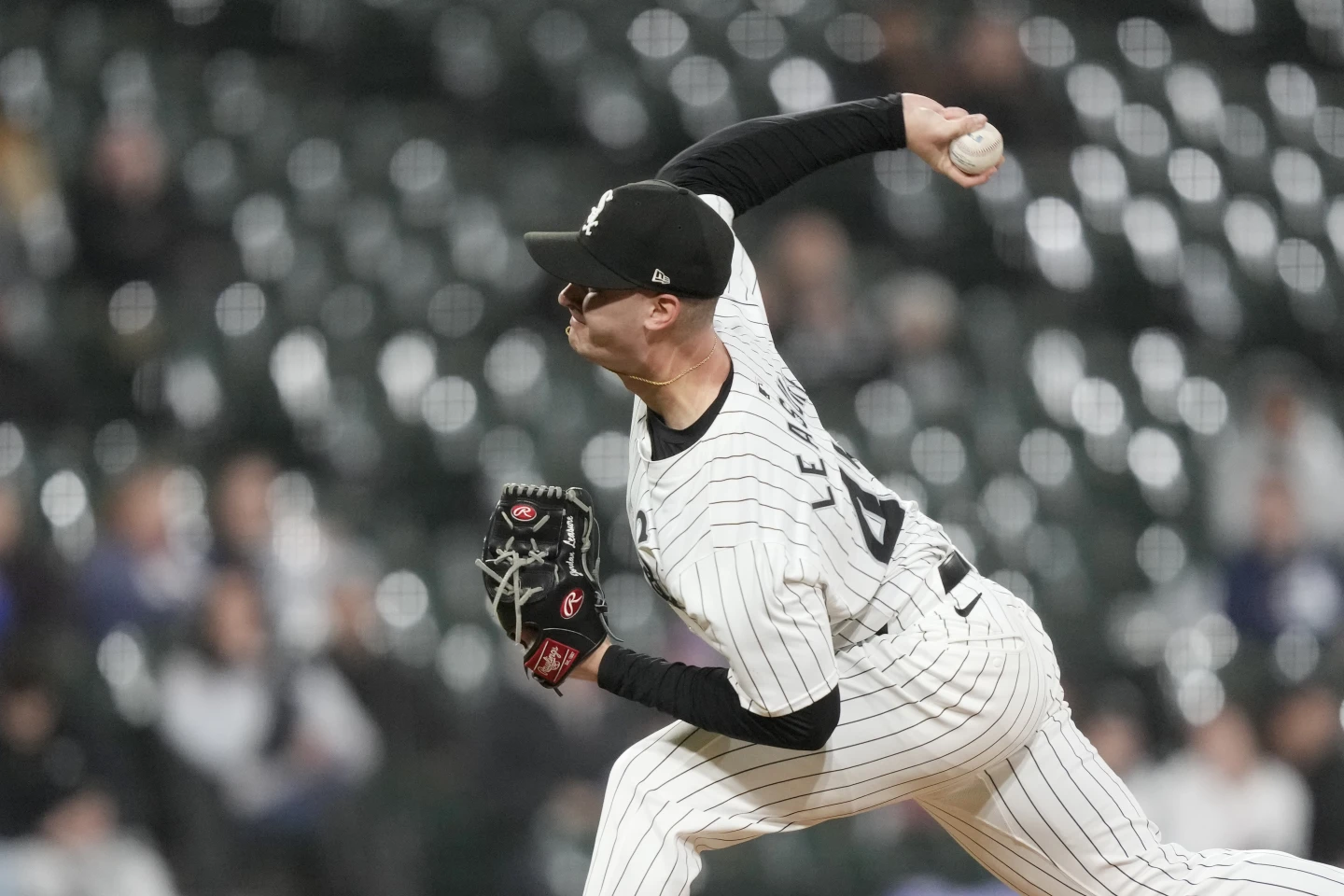
So, breaking rule one, “just wait for reliever to break out and hope to get lucky,” I have started looking for opportunities to roster Chicago White Sox reliever Jordan Leasure. He will begin the year as the primary setup man for Seranthony Dominguez. The White Sox are improving and there will be more save and hold opportunities available. Even in save-only leagues, Leasure is a good target, given that Dominguez hasn’t been able to lock down a closer role yet and may give way to Leasure over the course of the season. The key stats for Leasure are 30% K-rate, 11% BB-rate and a fastball that sits at 96 mph.
Breaking rule two, “don’t take risks on injured relievers,” a relief pitcher coming back from injury who I will be putting on all my watch lists is Prelander Berroa. In 2022, as a starter in the San Francisco and Seattle minor league system he posted a 36% K-rate and 15% BB-rate. The following year Seattle had him pitching almost exclusively in relief in Double-A Arkansas where he put up 37% K-rate, 14% BB-rate and a .191 batting average against. After an off-season trade to the White Sox, his numbers declined in 2024 before he was shut down for Tommy John surgery. This one’s risky, which is why I’m only putting him on watch lists right now, unless I have an open IL spot somewhere that I don’t need.
And on to rule three, “don’t waste time looking for relievers in the minors.” Not every great reliever is a converted starter, so I should take off those blinders. Two names to watch are Andrew Moore (SDP) and Charlie Beilenson (SEA). Quick note, both were originally drafted by Seattle which is always a good sign for a pitcher. Moore has played for a few organizations and is currently in the San Diego system blocked by three very good 27-year-olds, Mason Miller, Adrian Morejon, and Jeremiah Estrada. In short, there’s not an easy path for Moore right now, but the Padres can be counted on to make trades and there should be a home for Moore and his 98 mph fastball and 97 mph slider somewhere before too long. Beilenson is still in the Seattle system, another organization with a strong bullpen at the moment, but a 29% K-rate and 5% BB-rate combination is too good to keep down for too long.
Next up is rule four, “don’t even think about Colorado pitchers.” However, my understanding of the impact of the mountain air on pitchers is that the thin air provides less resistance which means curve balls don’t curve, and sliders don’t slide. But what if 6’ 8”, 300 lb RJ Petit is throwing 95 mph fastballs and 94 mph sinkers. Pair that with 6’0”, 166 lb Welinton Herrera and his 70 grade fastball and 36% K-rate and you might have the formula for a Colorado shut-down bullpen. Or an Odd Couple reboot.
Lastly rule 5, “don’t talk about Tink Hence twice in a week.” St. Louis fans love what they think he could be, but Tink Hence as a top flight starter is not a reasonable outcome. His fastball by itself is not dangerous, but is made so by his excellent change up, and his slider is slightly above average. That, combined with his well documented injury history makes the “bullpen risk” a “bullpen probability.” This spring training, the Cardinals have said he’ll continue with a reliever’s schedule through spring training, although stopping short of making it an official designation. I think he’ll be a fine reliever and as he gets close to the majors, worth picking up in SVH leagues.
The Author


